Goal: Stretch the hip flexors, strengthen the abdominals and hamstrings, and neutralize excessive lumbar arching.
-
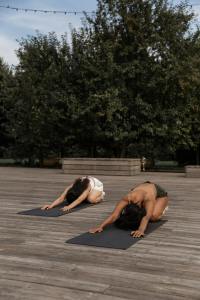
Child’s Pose (Bālāsana) — Releases tension in the lower back and gently flexes the spine.
Element Focus & Description Yoga (The Posture) Kneel on the floor, bringing your big toes to touch. Separate your knees as wide as you like (or keep them together). Fold forward, resting your torso between or on top of your thighs. Extend your arms forward or rest them alongside your body, palms up. Spinal Health (The Anatomy) This pose is a gentle spinal flexion (forward bend) that passively stretches the back muscles, especially the latissimus dorsi and erector spinae. When the arms are extended, it creates gentle traction, subtly decompressing the spine. It is a profoundly therapeutic rest pose for relieving tension and bringing blood flow to the back of the torso. Mindfulness (The Experience) Concentrate on the sensation of your belly expanding against your thighs on the inhale. With every exhale, consciously release effort from the shoulders and jaw, surrendering your weight to the earth. Notice the calming effect of the pose and use it to reconnect with a state of quiet refuge and introspection. -
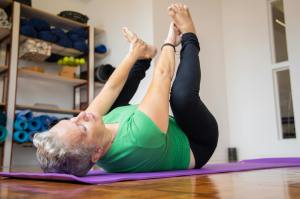
Happy Baby Pose (Ānanda Bālāsana) — Stretches the spine and hip flexors, promoting neutral pelvic alignment.
Element Focus & Description Yoga (The Posture) Lie on your back. Bend your knees toward your chest, and grab the outer edges of your feet (or ankles/shins). Open your knees wider than your torso, drawing them toward your armpits. Ensure your sacrum (tailbone) remains grounded. Spinal Health (The Anatomy) This pose is excellent for stretching the hip flexors and deep outer hips while promoting a neutral pelvic position. When practiced with the tailbone down, it resets the lumbar curve, reducing the exaggerated arch associated with lordosis. The gentle compression on the front of the hips encourages the release of the psoas muscle, which often pulls the low back into strain. Mindfulness (The Experience) Practice deep, controlled breathing. With every exhale, focus on pressing the entire length of your spine, especially the sacrum, more firmly into the mat. Use a playful, non-judgmental awareness (ānanda means “bliss”) to notice any resistance. Mindfully move slowly to encourage the nervous system to relax and allow for a deeper, therapeutic stretch. -
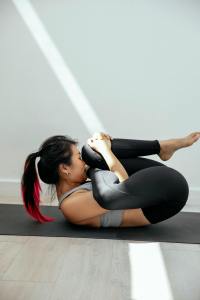
Knee-to-Chest Pose (Apānāsana) — Relieves lower-back tightness and resets lumbar curvature.
Element Focus & Description Yoga (The Posture) Lie on your back. Exhale and draw one or both knees toward your chest, using your hands to gently hug them in. Keep your head and shoulders relaxed on the mat. Flex your feet lightly to protect your knees. Spinal Health (The Anatomy) Apānāsana is a supine spinal flexor that provides direct relief to the lumbar spine (low back). The gentle pressure of the thighs against the abdomen creates a massage for the digestive organs and counteracts the lower-back arch (lordosis). It is excellent for decompression and can help gently traction the spine by lengthening the sacrum along the floor. Mindfulness (The Experience) As you inhale, create a little space between your torso and your knees. As you exhale, gently draw the knees in closer, deepening the stretch and the feeling of letting go. Focus on softening the muscles in your lower back. This pose fosters a sense of calm surrender and letting go of tension. -
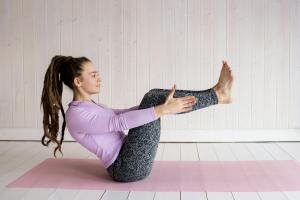
Boat Pose (Nāvāsana) — Strengthens the core and stabilizes the pelvis.
Element Focus & Description Yoga (The Posture) Sit on the floor, leaning back slightly, and lift your feet off the floor. Extend your legs straight or keep your knees bent (shins parallel to the floor). Reach your arms forward, parallel to the floor. Engage your core strongly to maintain the length in your torso. Spinal Health (The Anatomy) Nāvāsana is a powerful builder of the entire anterior core, including the rectus abdominis and deep hip flexors. A strong core is the primary stabilizer of the lumbar spine and pelvis, which is crucial for preventing low back pain. Engaging the deep transverse abdominis helps maintain a neutral spine, preventing excessive arching or rounding under strain. Mindfulness (The Experience) Focus your energy on the center of your body. Breathe steadily, using the exhale to pull your navel toward your spine, reinforcing the core engagement. Stay present with the intensity, finding a point of calm determination amid the effort. -
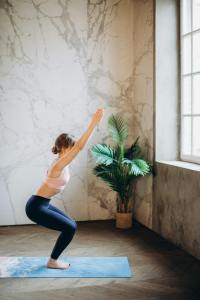
Chair Pose (Utkatāsana) — Engages core and leg muscles to support a neutral spine.
Element Focus & Description Yoga (The Posture) Stand in Mountain Pose. Exhale and bend your knees as if sitting back into a chair, bringing your thighs as close to parallel with the floor as possible. Inhale and sweep your arms overhead. Keep your tailbone drawing down to maintain a long, neutral lower back. Spinal Health (The Anatomy) Chair Pose strengthens the glutes, hamstrings, and quadriceps, which are essential for supporting a neutral, stable pelvis. It requires core engagement to prevent the low back from arching excessively (lordosis) as the arms lift. It trains the body for functional strength and stability in the lower body, which directly impacts spinal health. Mindfulness (The Experience) Focus your gaze and your attention on the effort in your legs and core. Use the inhale to lift and lengthen the arms and torso, and the exhale to sink deeper into the chair. This pose cultivates inner fire (tapas) and unwavering commitment. -
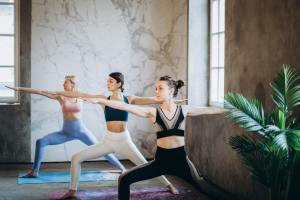
Warrior II Pose (Vīrabhadrāsana II) — Strengthens glutes and thighs, improving pelvic balance.
Element Focus & Description Yoga (The Posture) Stand with your feet wide, turning your front foot out 90 degrees and your back foot in slightly. Bend your front knee directly over your ankle. Extend your arms out to the sides, parallel to the floor, gazing over your front fingertips. Spinal Health (The Anatomy) This pose is crucial for building strength in the glutes and thighs, which supports a neutral pelvis and counters the excessive lower-back curve (lordosis). The upright torso requires the core to work isometrically to maintain the natural, healthy curves of the lumbar and thoracic spine without straining, training the body for stable, healthy standing and movement. Mindfulness (The Experience) Practice whole-body awareness. Mindfully divide your attention between the grounding of the feet and the expansion of the arms. Use your exhale to gently draw the tailbone toward the floor and engage the lower belly—a subtle, mindful action that protects your low back. This pose teaches sustained, balanced effort (sthira and sukha—steadiness and ease). -
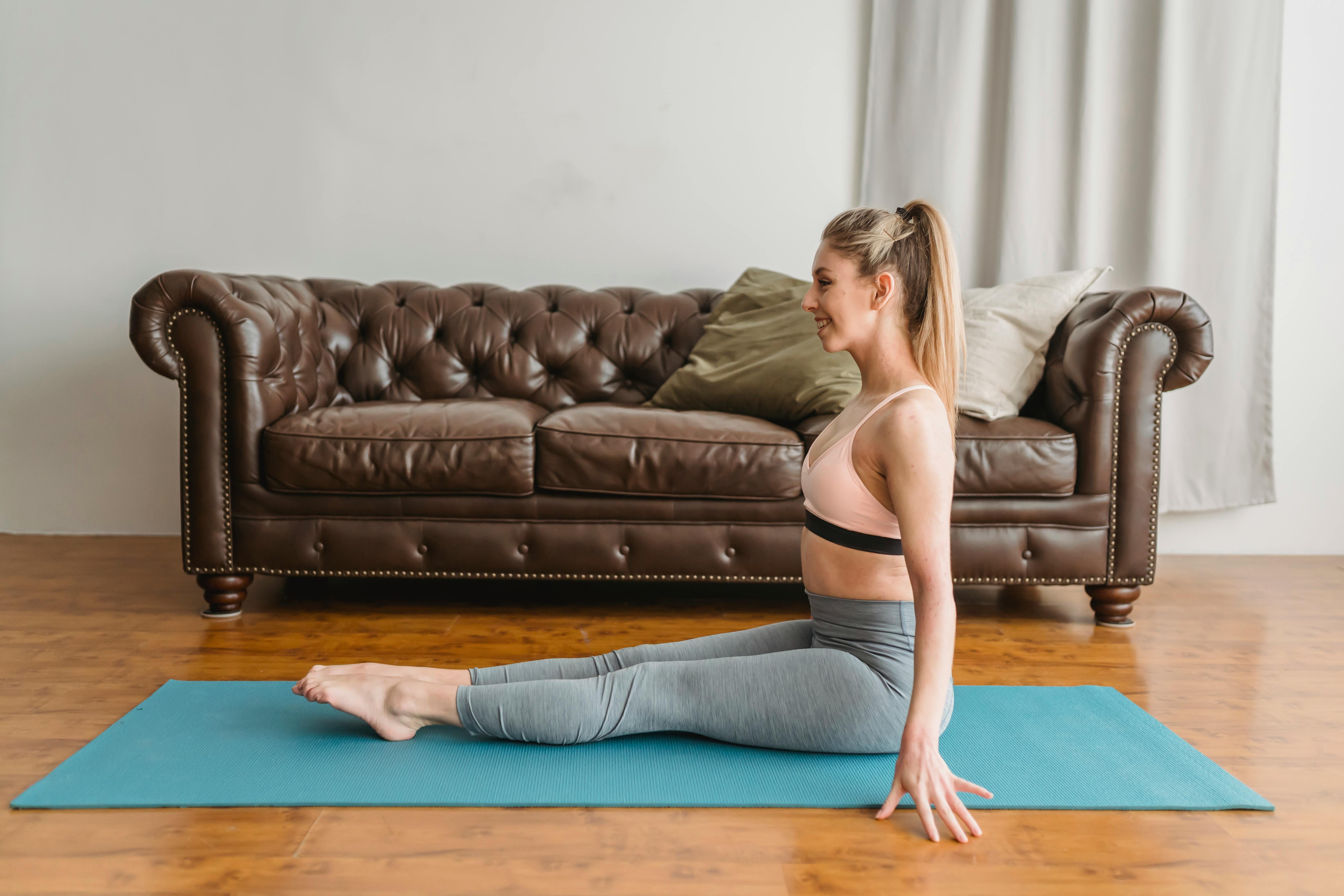
Staff Pose (Daṇḍāsana) — Reinforces upright sitting posture and core stability.
Element Focus & Description Yoga (The Posture) Sit on the floor with your legs extended straight out in front of you, feet flexed. Press your palms or fingertips into the floor beside your hips, lifting your chest. Ground down through your sit bones and lengthen your spine upward, imagining you are sitting against a wall. Spinal Health (The Anatomy) Daṇḍāsana is a critical pose for training the body to sit with a neutral pelvis and erect spine. It strengthens the small, deep muscles (erector spinae) that hold the spine upright. It directly addresses the tendency to slouch (posterior pelvic tilt) common in seated work, promoting a healthy, natural lumbar curve and teaching the axial extension necessary to reduce disc compression. Mindfulness (The Experience) Focus your awareness on the verticality of the spine. Use your inhales to actively lengthen the torso and your exhales to ground the sit bones. Notice the energetic effort required in the core and back to maintain this shape. This pose cultivates inner discipline and a clear, focused mind. -
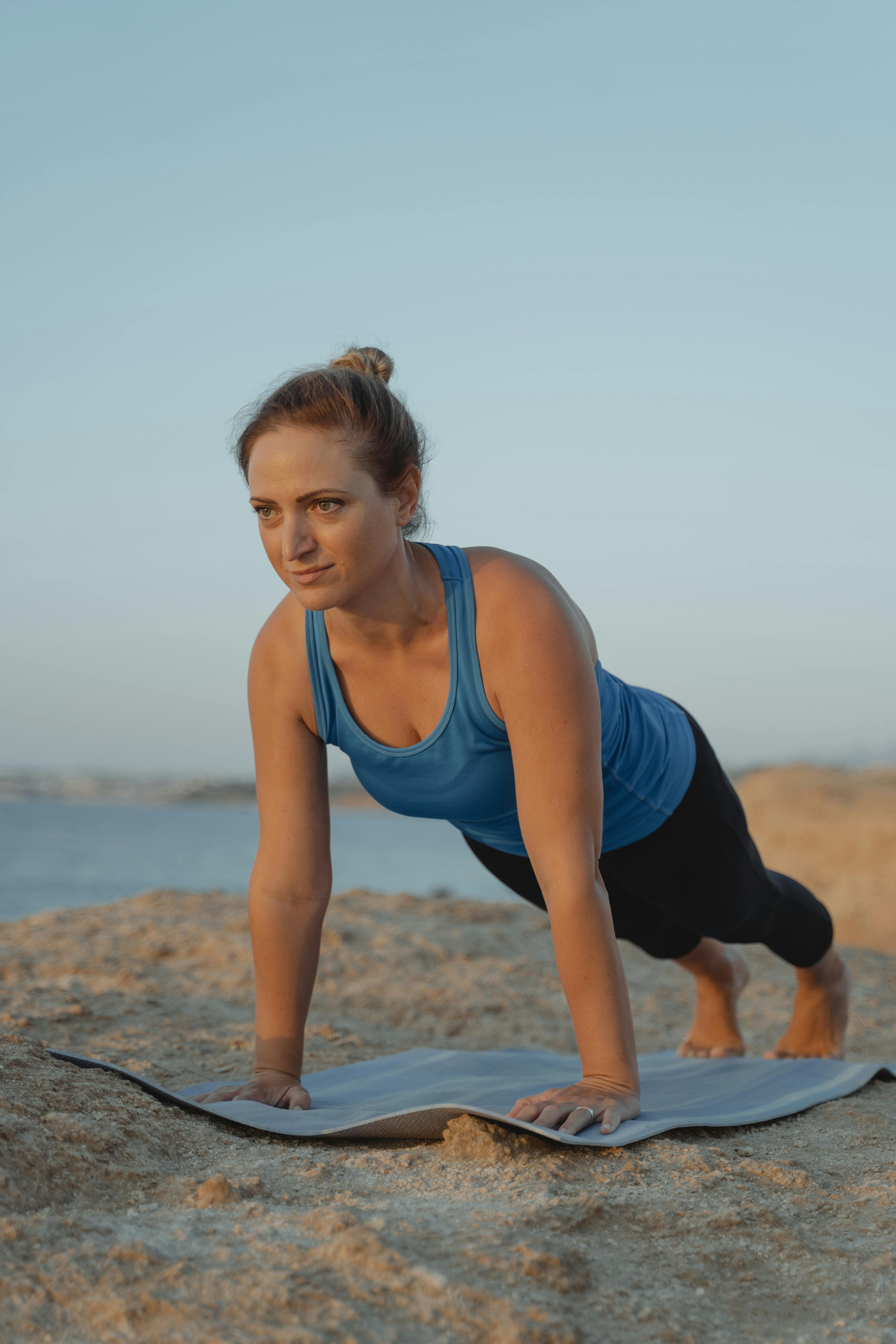
Plank Pose (Kumbhakāsana) — Builds deep core and shoulder strength to stabilize the lumbar spine.
Element Focus & Description Yoga (The Posture) Start on your hands and knees. Step your feet back until your body forms a straight line from head to heels. Hands are shoulder-width apart. Engage your glutes and core, avoiding any sagging in the low back (hyperextension) or rounding in the upper back. Spinal Health (The Anatomy) Plank is the ultimate isometric pose for strengthening the entire core cylinder (front, back, and sides). It trains the body to maintain a neutral spine against gravity, building the endurance of the deep stabilizing muscles that protect the vertebrae and discs. It is fundamental for improving spinal resilience and alignment. Mindfulness (The Experience) Practice intense focus on alignment. Notice any tendency to let the hips drop or the shoulders shrug. Use your breath to find power and stability, holding the pose with unwavering attention. The pose cultivates inner fortitude and steadiness (Kumbhakāsana is related to breath retention).
 innerspine.com